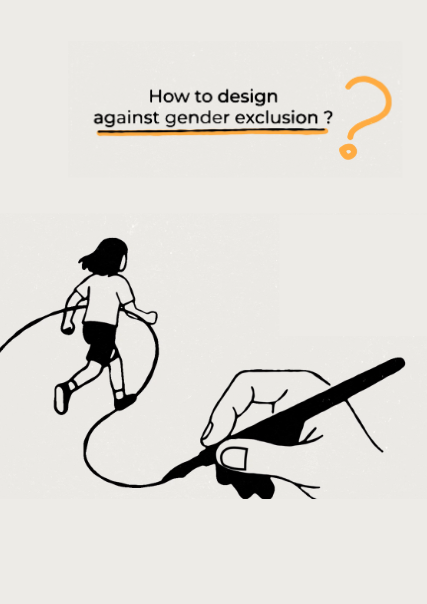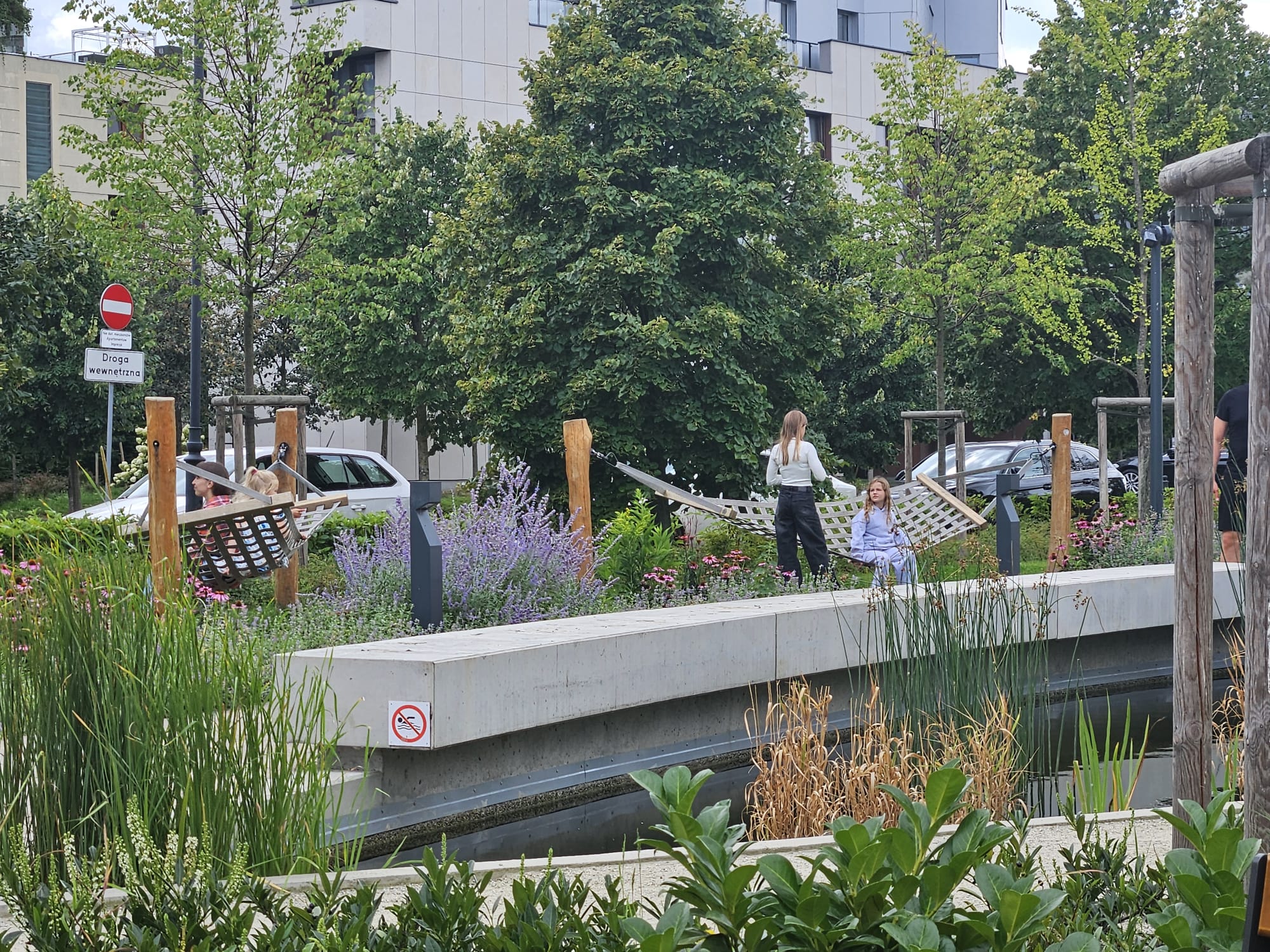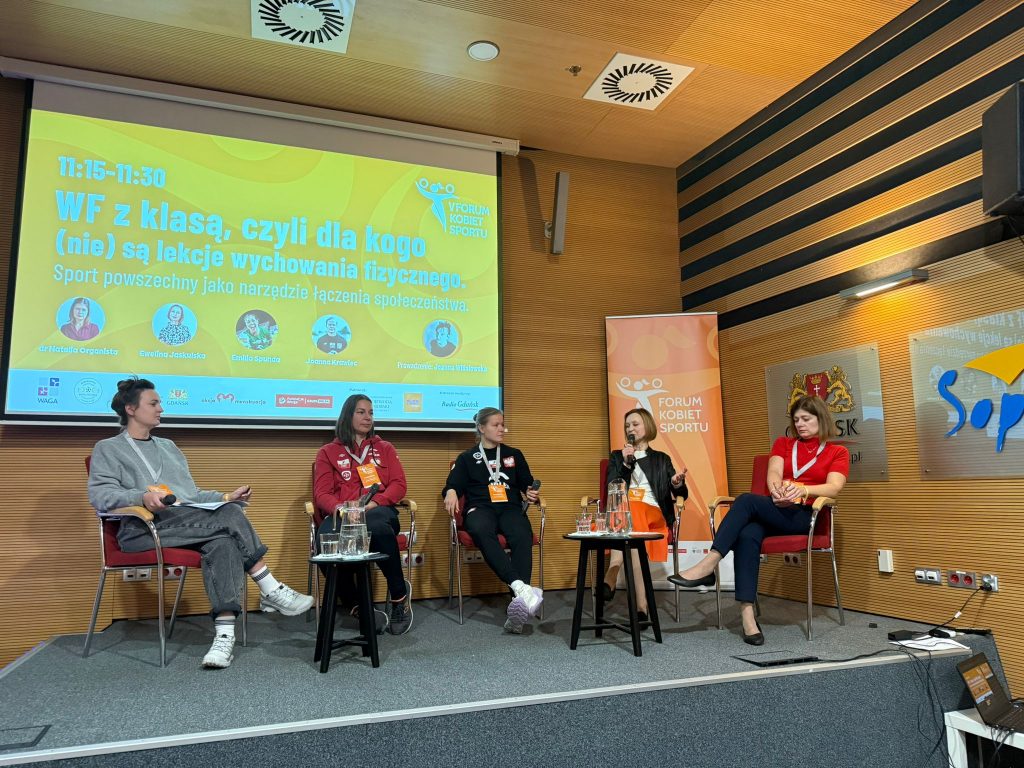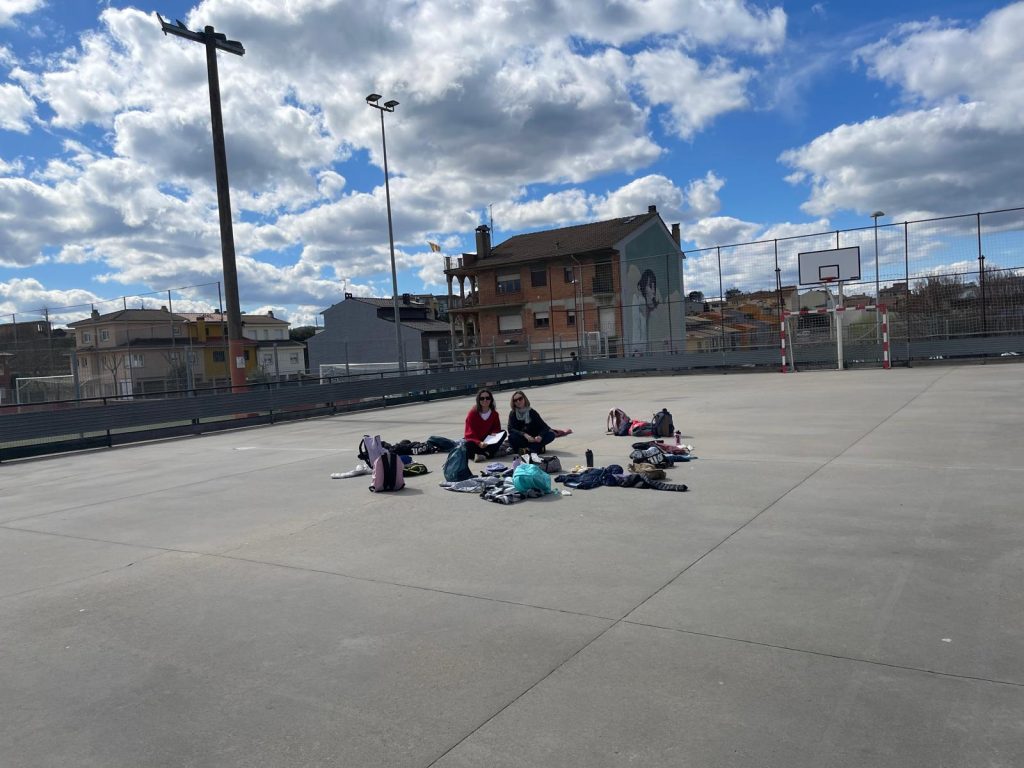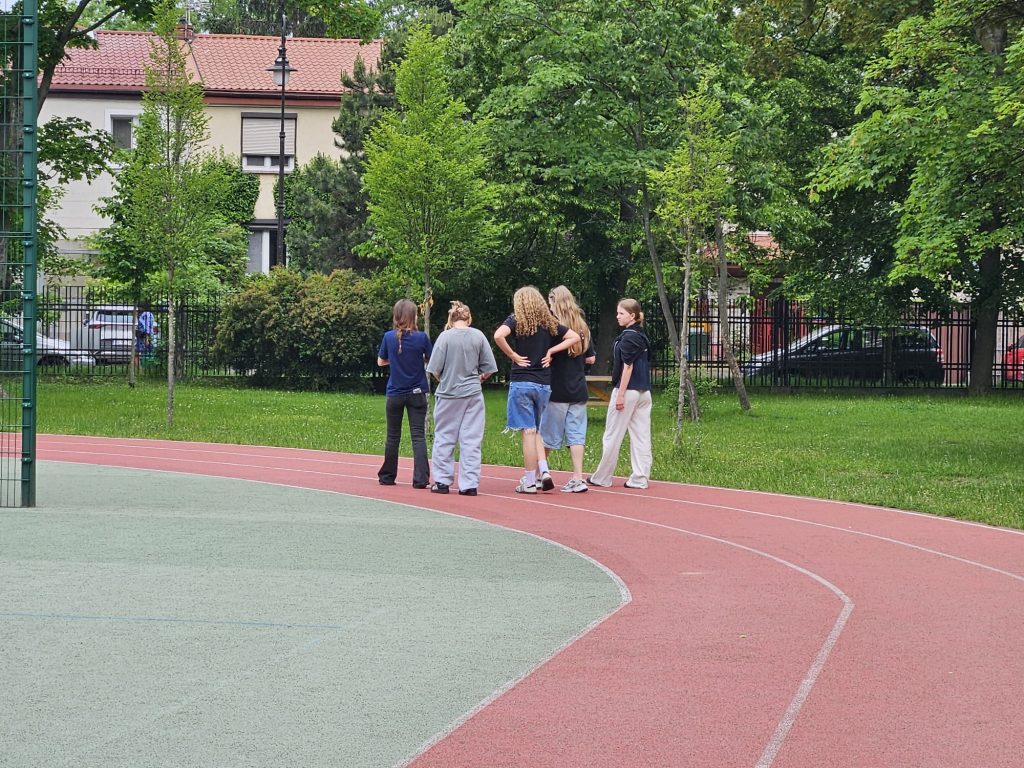

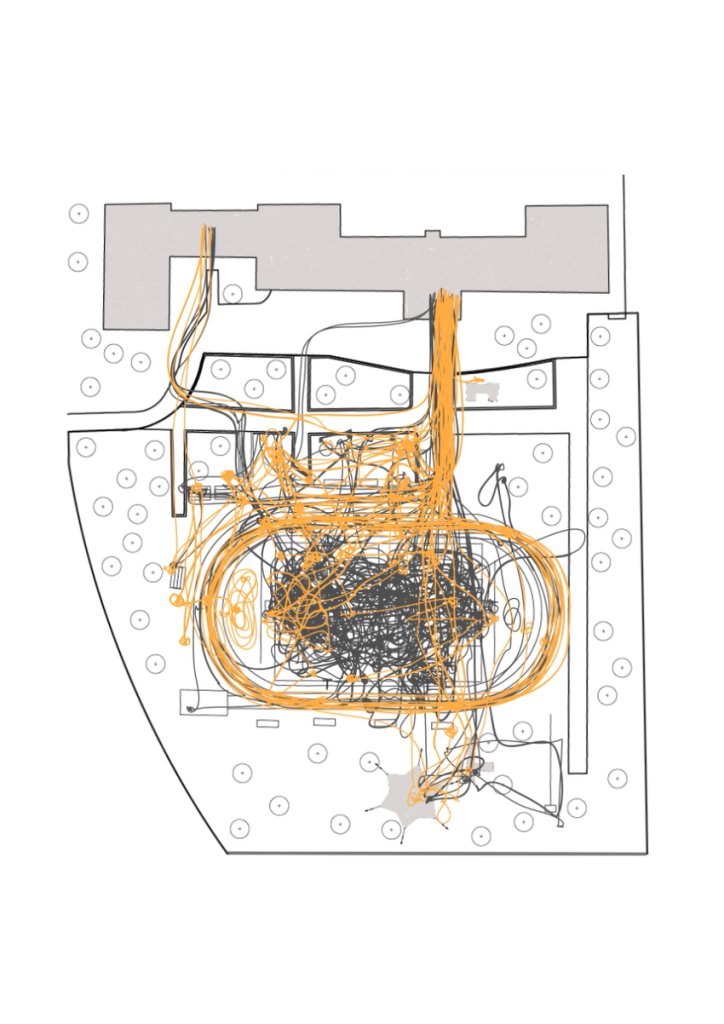
Make Her Move is an Erasmus+ project that addresses gender imbalance in the use of public space, especially schoolyards and parks. Research shows that sports such as football often dominate these areas, leaving little room for girls and non-dominant groups to participate freely.
The project responds by developing evidence-based design methods to make everyday spaces more inclusive, safe, and attractive for all teenagers.
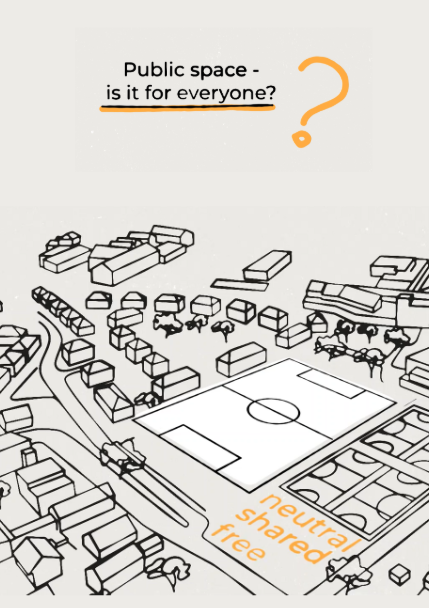
Urban spaces are not neutral โ they actively shape how young people experience freedom, belonging, and safety. Schoolyards and parks are among the first environments where teenagers learn independence, negotiate social rules, and develop their identities. Yet too often, these spaces privilege a single activity, such as football, which dominates the center and sidelines other ways of playing and being together.
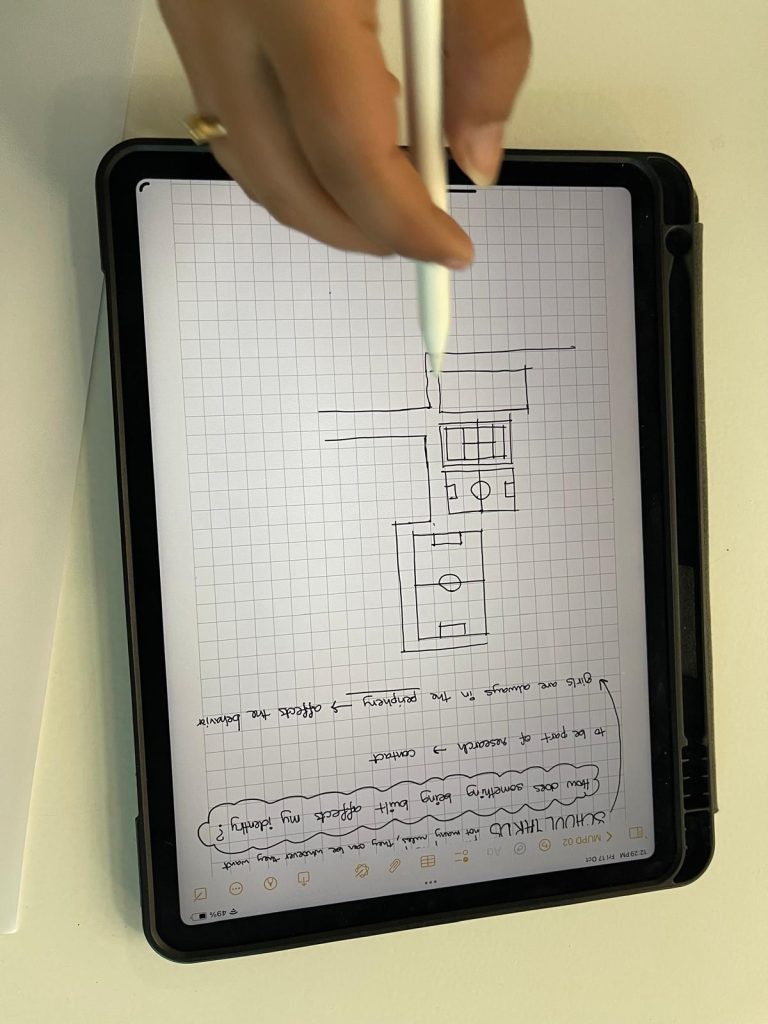
Make Her Move responds to this imbalance by asking: what if we design for many, not just for the most? The project explores how football-centrism โ the cultural and spatial dominance of football โ marginalizes girls and non-dominant groups. Through research, data collection, and participatory methods, the project shows how this bias is not natural but built into design choices.
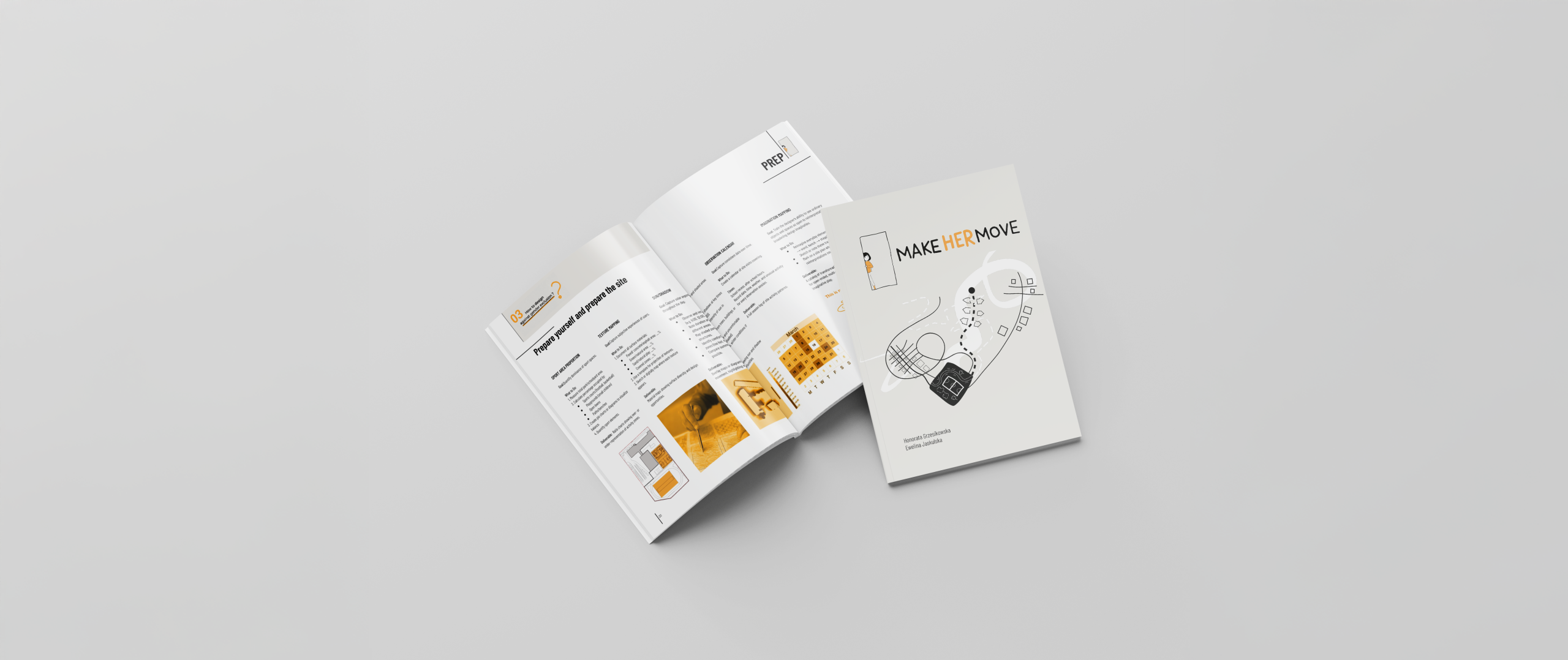
Download the project guide
Learn more and watch the videos:
Project unfolds in three parts:
1. Footballcentrism
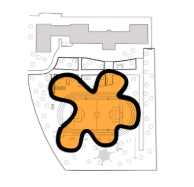
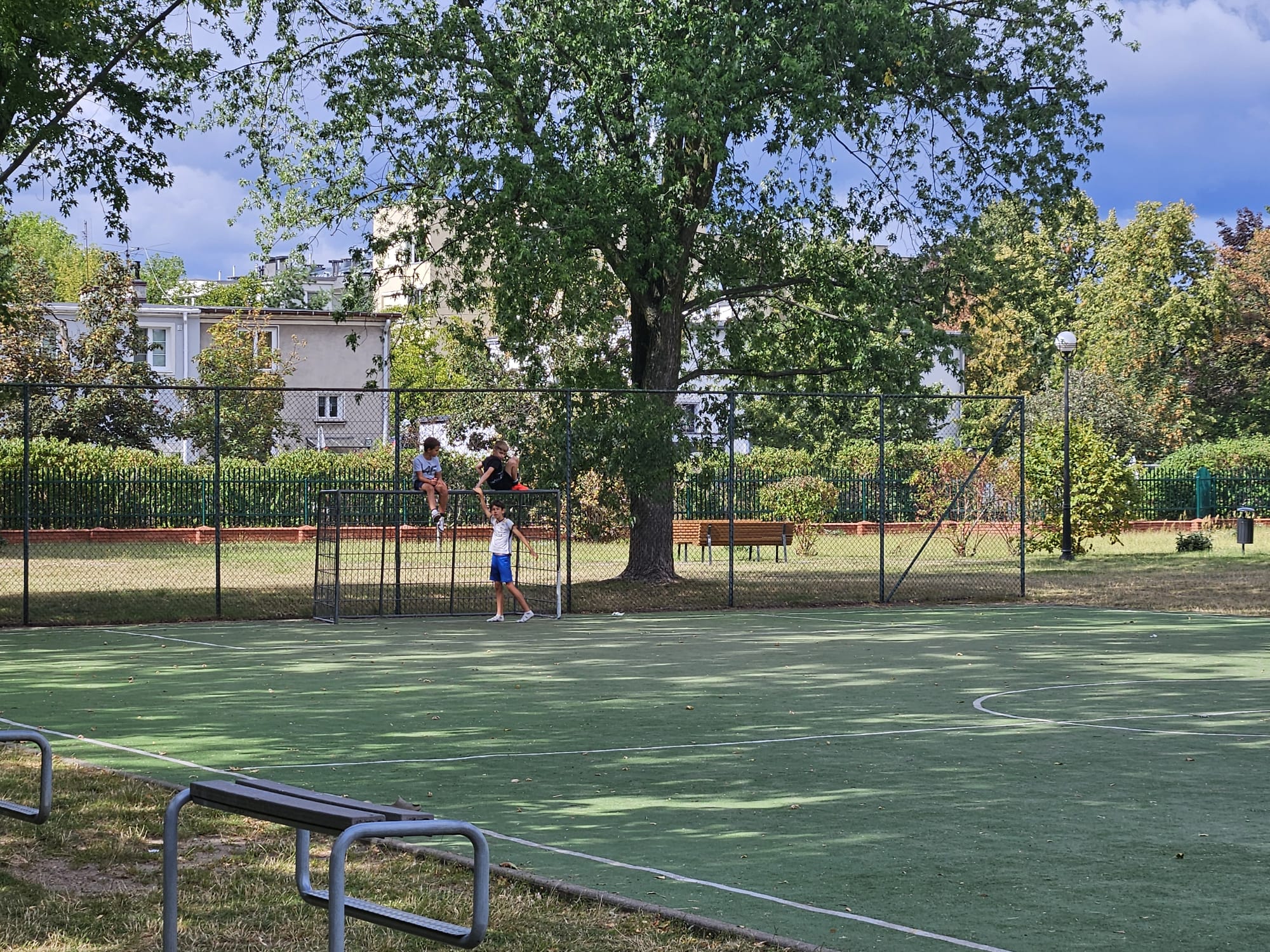
We explain the concept of football-centrism โ the dominance of football pitches and culture in parks and schoolyards. Large central football fields privilege competitive, male-coded activities, sidelining football girls and those who prefer different forms of play. This systemic bias becomes embedded in planning and design, shaping patterns of belonging, visibility, and identity.
Project unfolds in three parts:
2.
Let's talk data
We bring together knowledge from research and practice to show how design is never neutral.
Library of Knowledge: Existing studies across Europe demonstrate that girls opt out of public space earlier, are often pushed to the edges, and feel less safe.
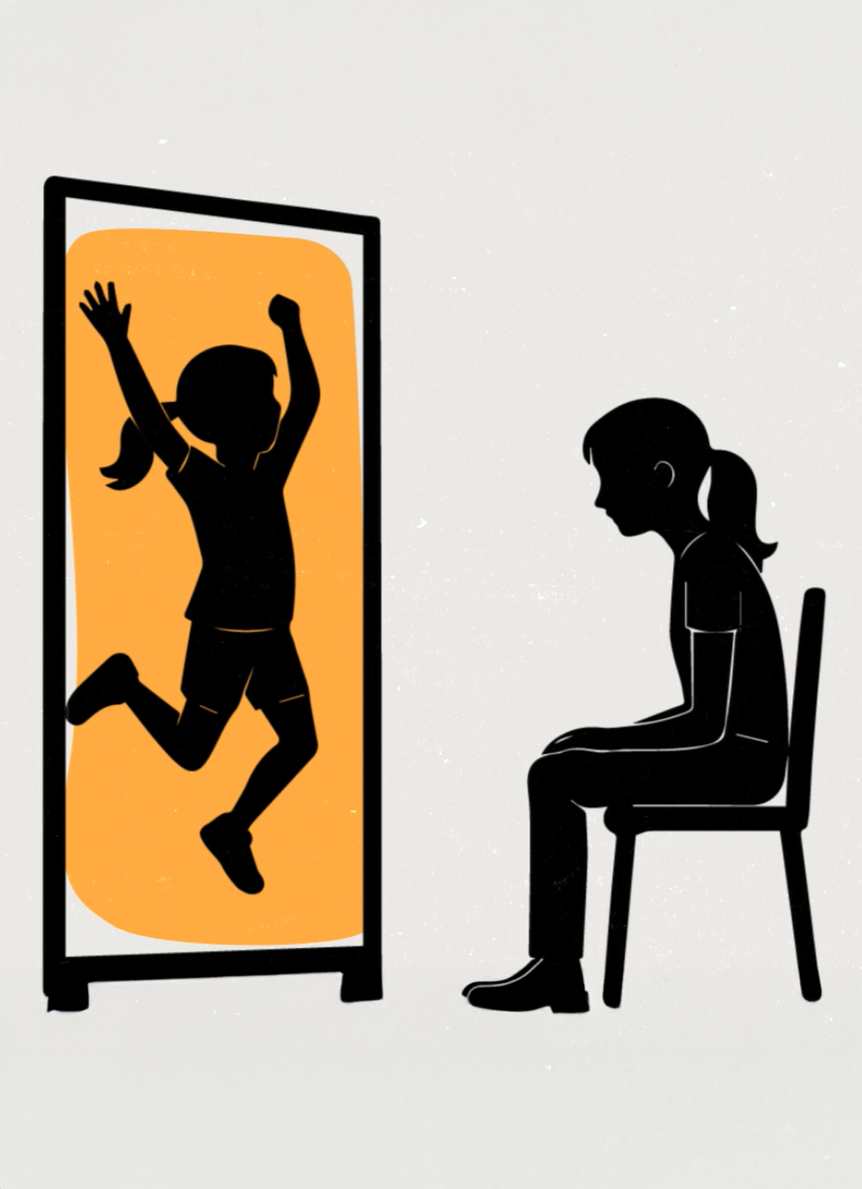
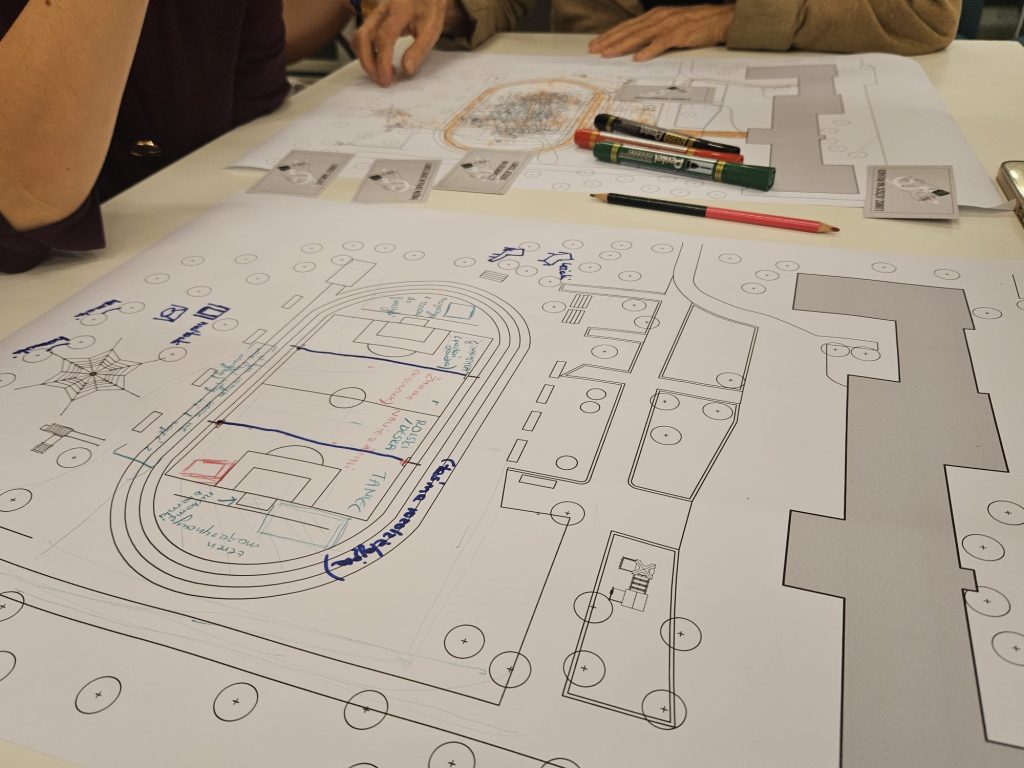
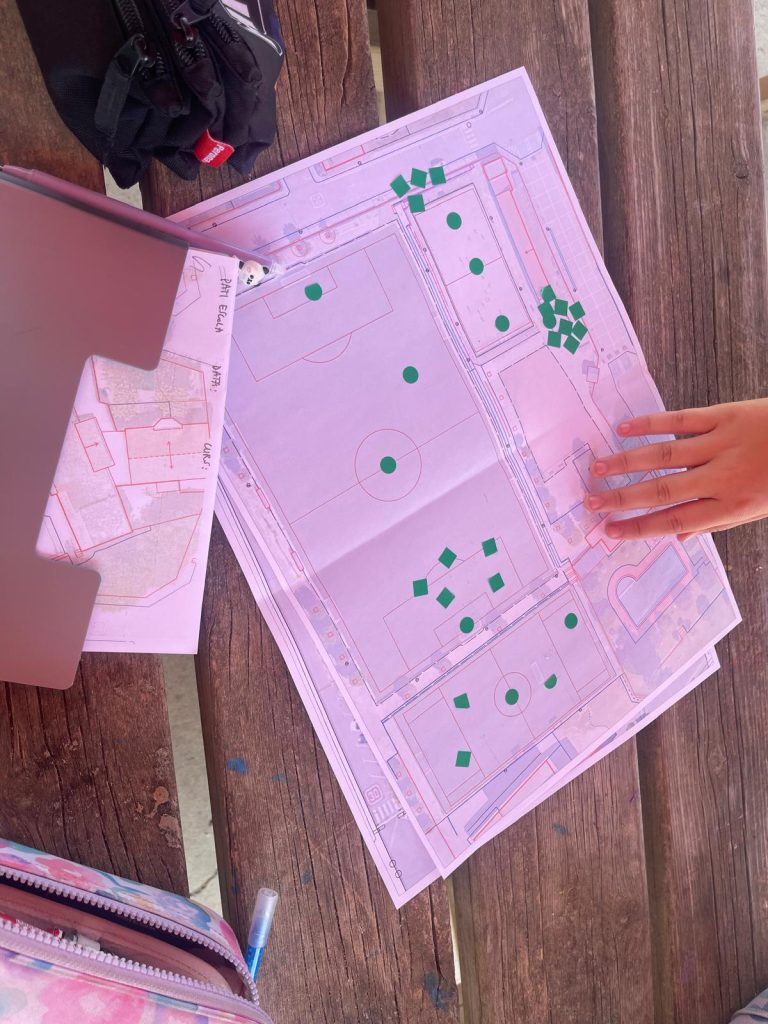
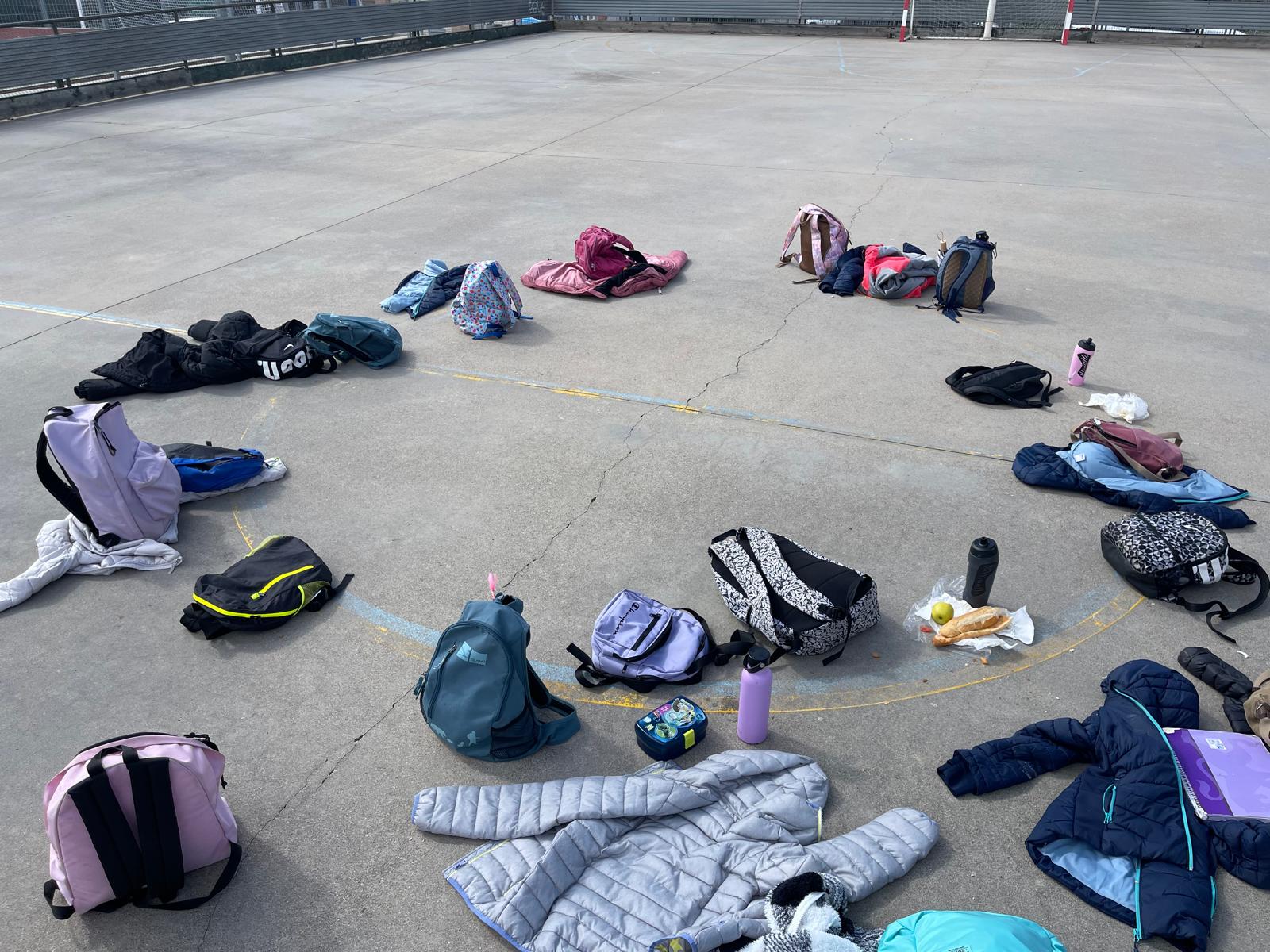
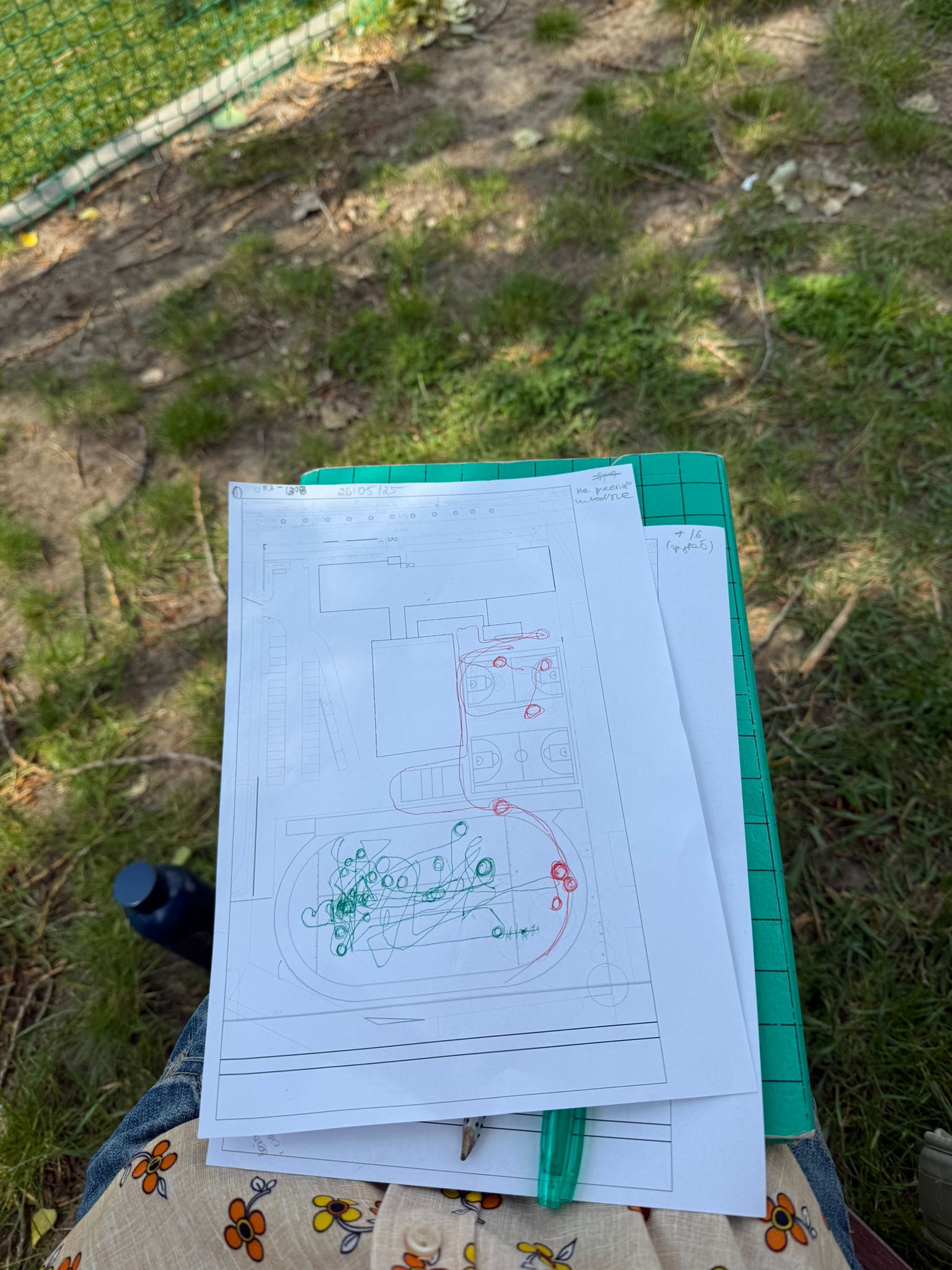
- Field Research: In our own studies across eight public spaces in two countries, we map over 400 individual movements and collect countless voices. The evidence shows that teenage girls are consistently underrepresented in parks and playgrounds, and their presence is often conditional or limited.
Key data
Project unfolds in three parts:
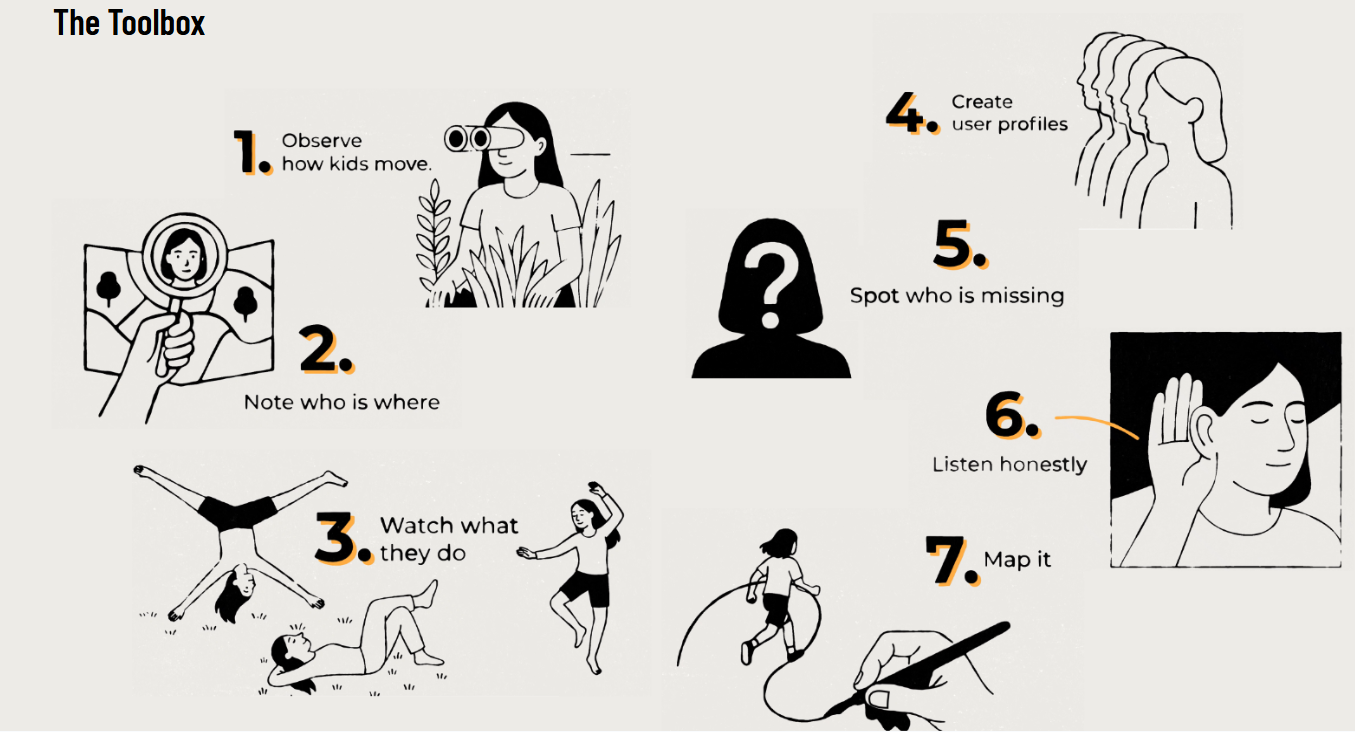
3. Hack the space- The Toolbox
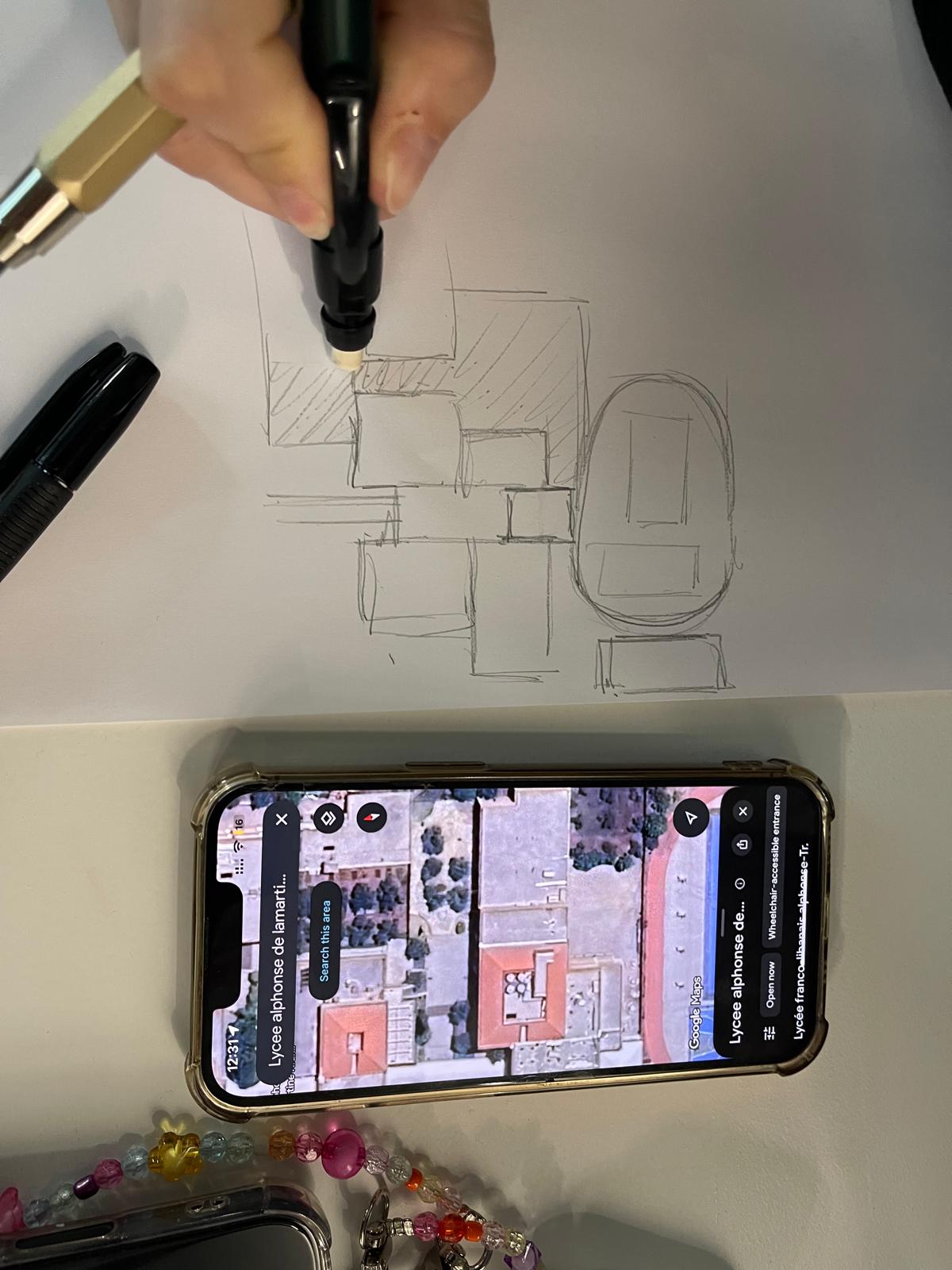
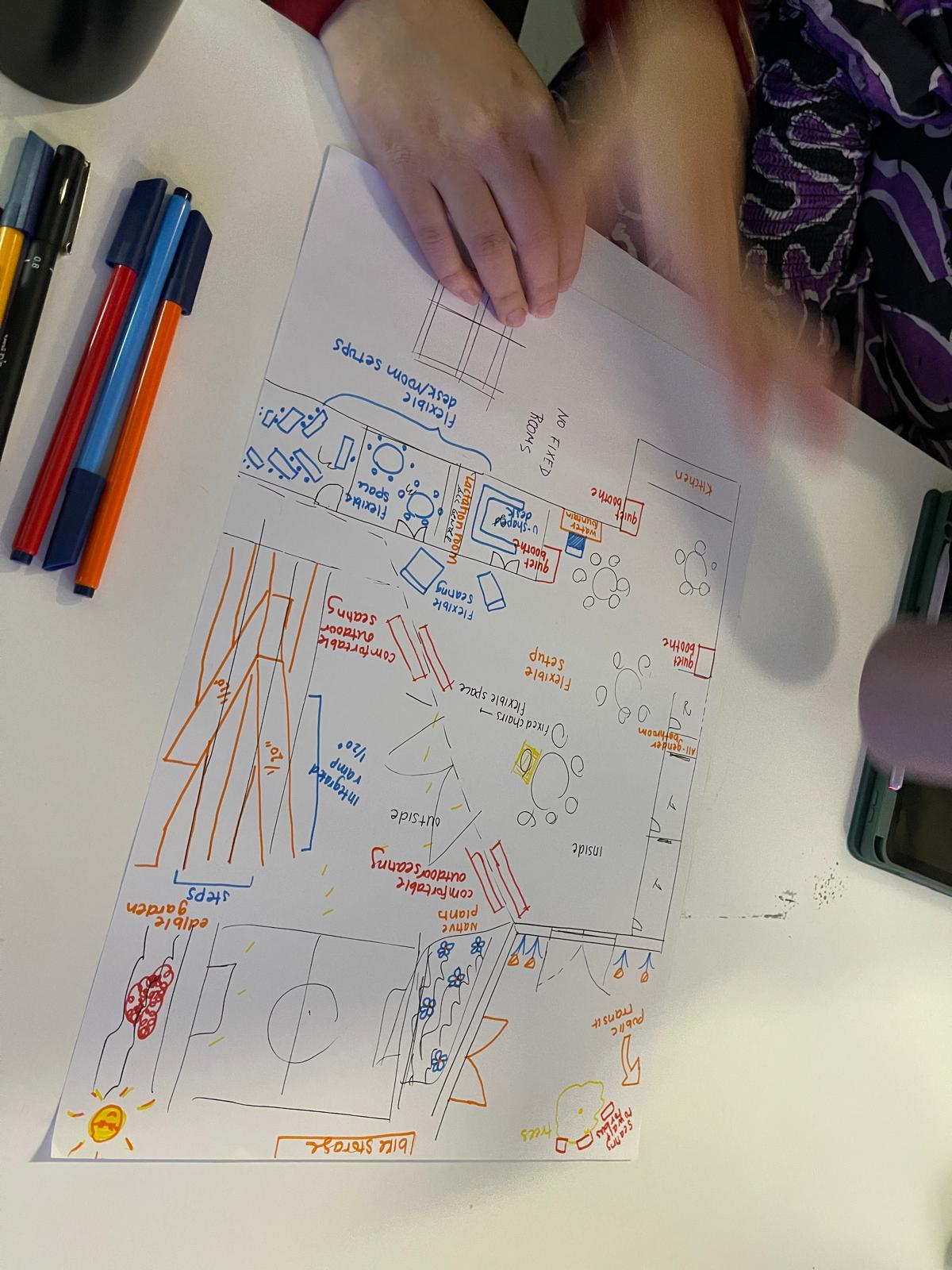
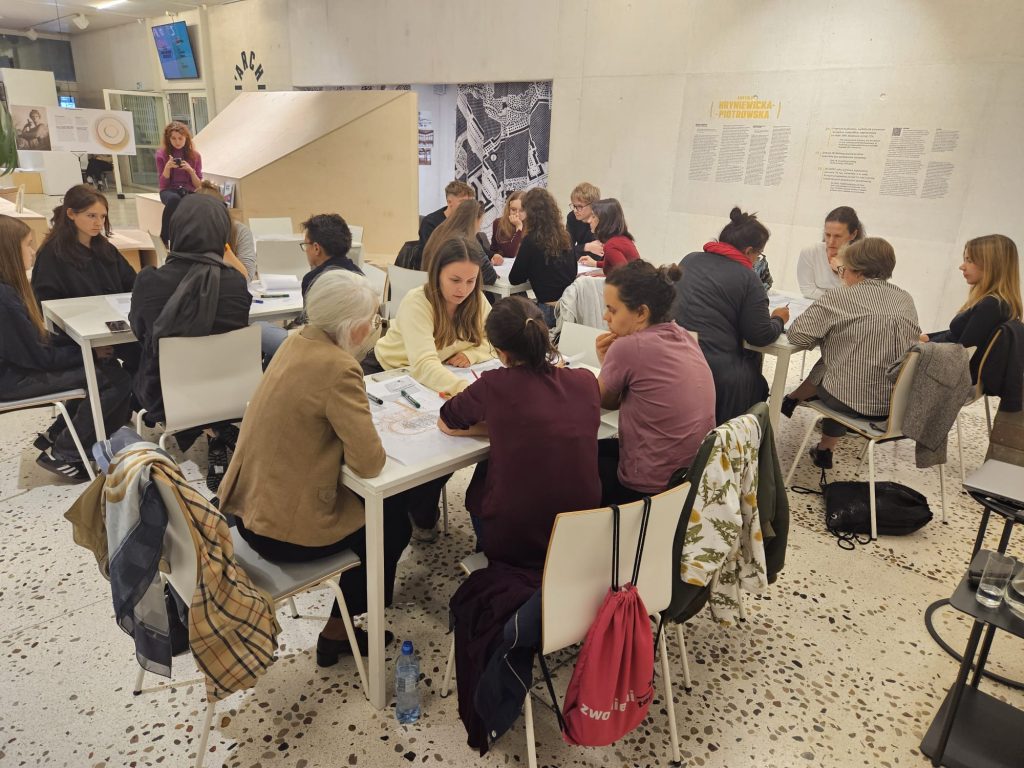
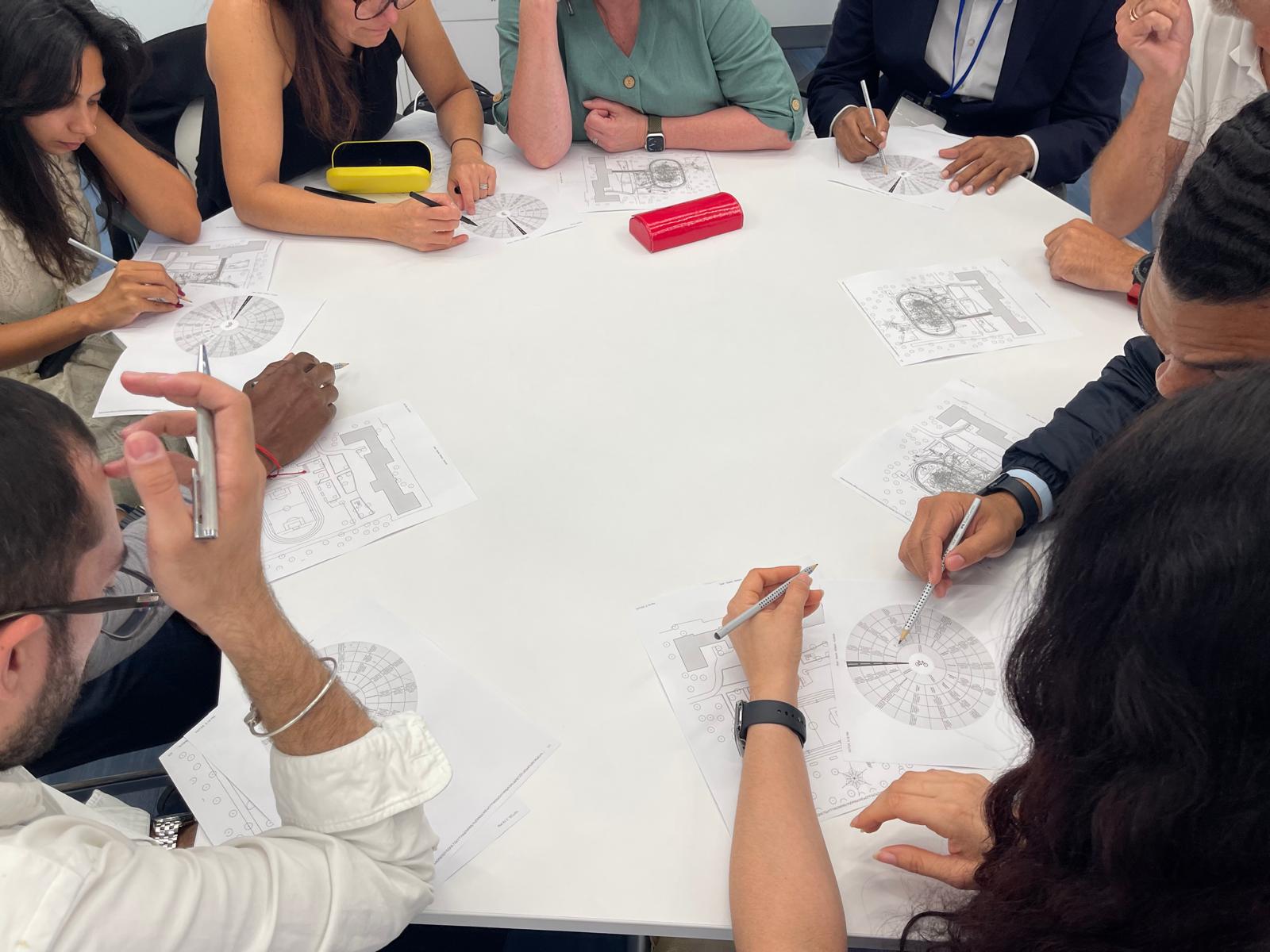
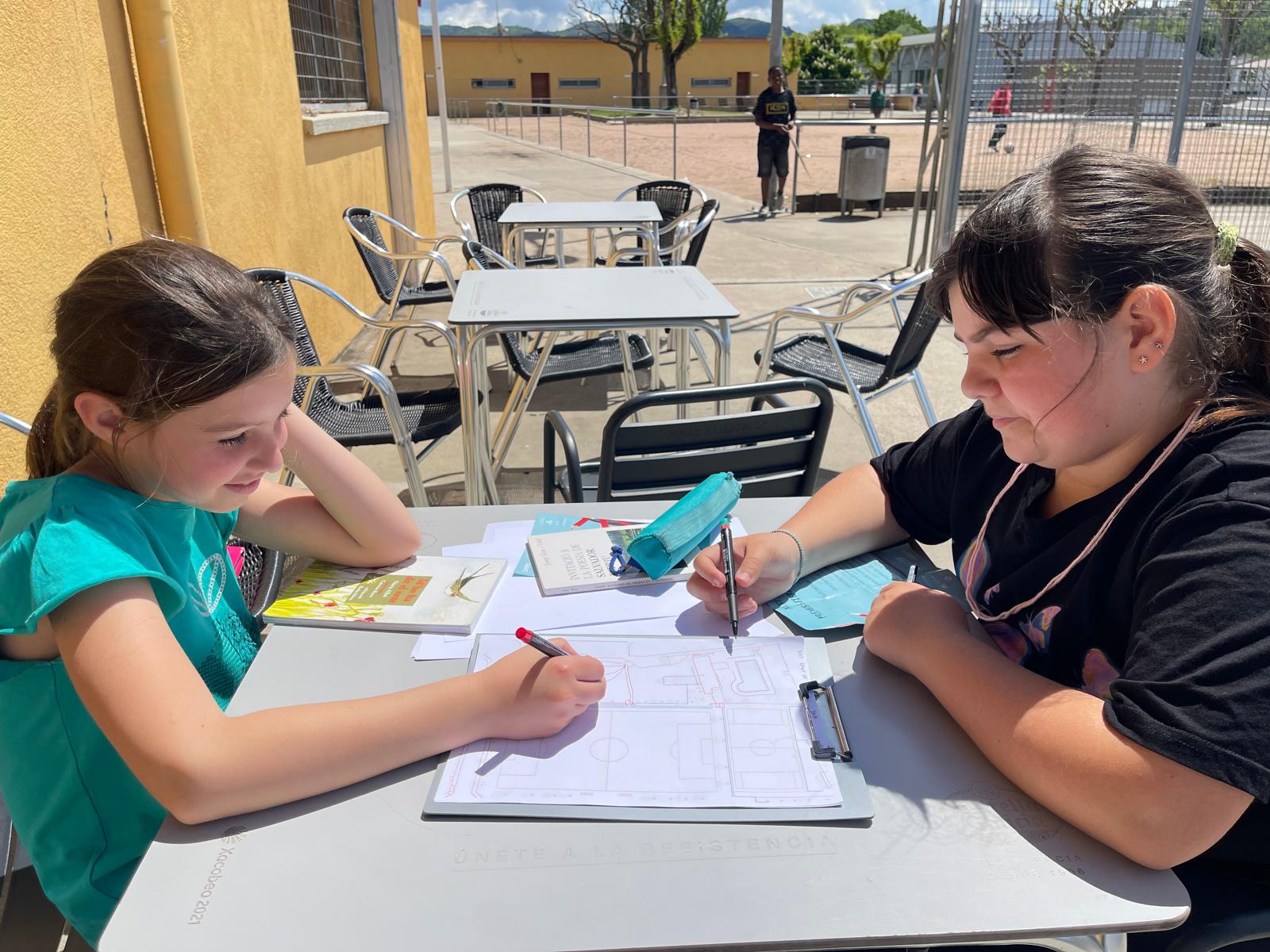
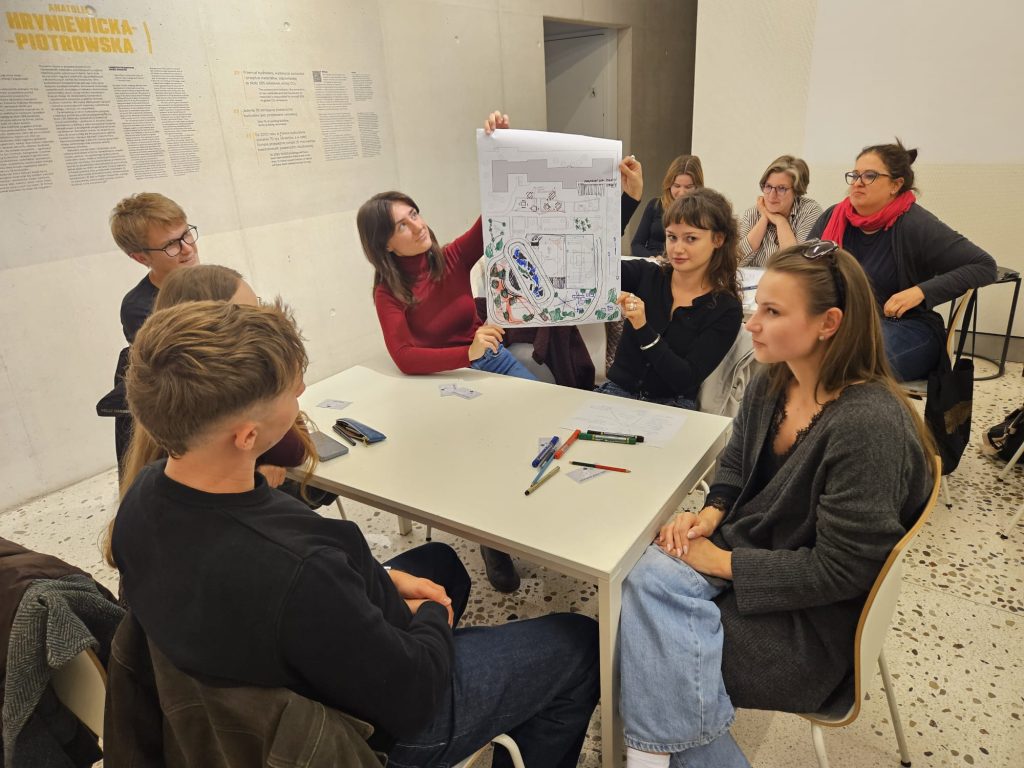
We translate evidence into practice with a toolbox for designers, schools, and municipalities.The toolbox provides step-by-step methods: Mapping movement patterns; Tracking territorial behaviors; Recording who is present and who is missing; Creating user profiles; Collecting subjective feedback through surveys and workshops.
These tools make visible the hidden patterns of inclusion and exclusion, and help redesign spaces so they support diversity, equity, and belonging.
Some of our findings

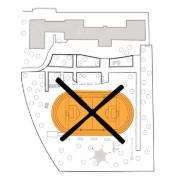
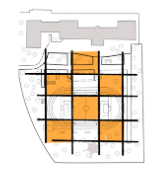
No big dominant zone
Large, singular spaces tend to be monopolized by the most confident or dominant groups. Inclusive design breaks these up, creating multiple smaller areas where everyone can find their place without being sidelined

Flatten spatial hierarchies
Traditional layouts often assign more value to the โcenterโ than to the edges, reinforcing power imbalances. By designing spaces where every corner has equal importance, we make participation easier for those who might otherwise stay on the margins

The center- made for many, not for most
The central area should not belong to a single group or activity. It must remain flexible and inviting for different uses across the day and across age groups, ensuring it feels open rather than claimed

In-between spaces matter
Left undesigned, transitional areas often become overlooked. But when recognized as part of the spatial fabric, these gaps host spontaneous play, private conversations, and alternative routes. Their presence should be deliberate, not accidental
Call to Action
Make Her Move is more than research โ it is a call to action.
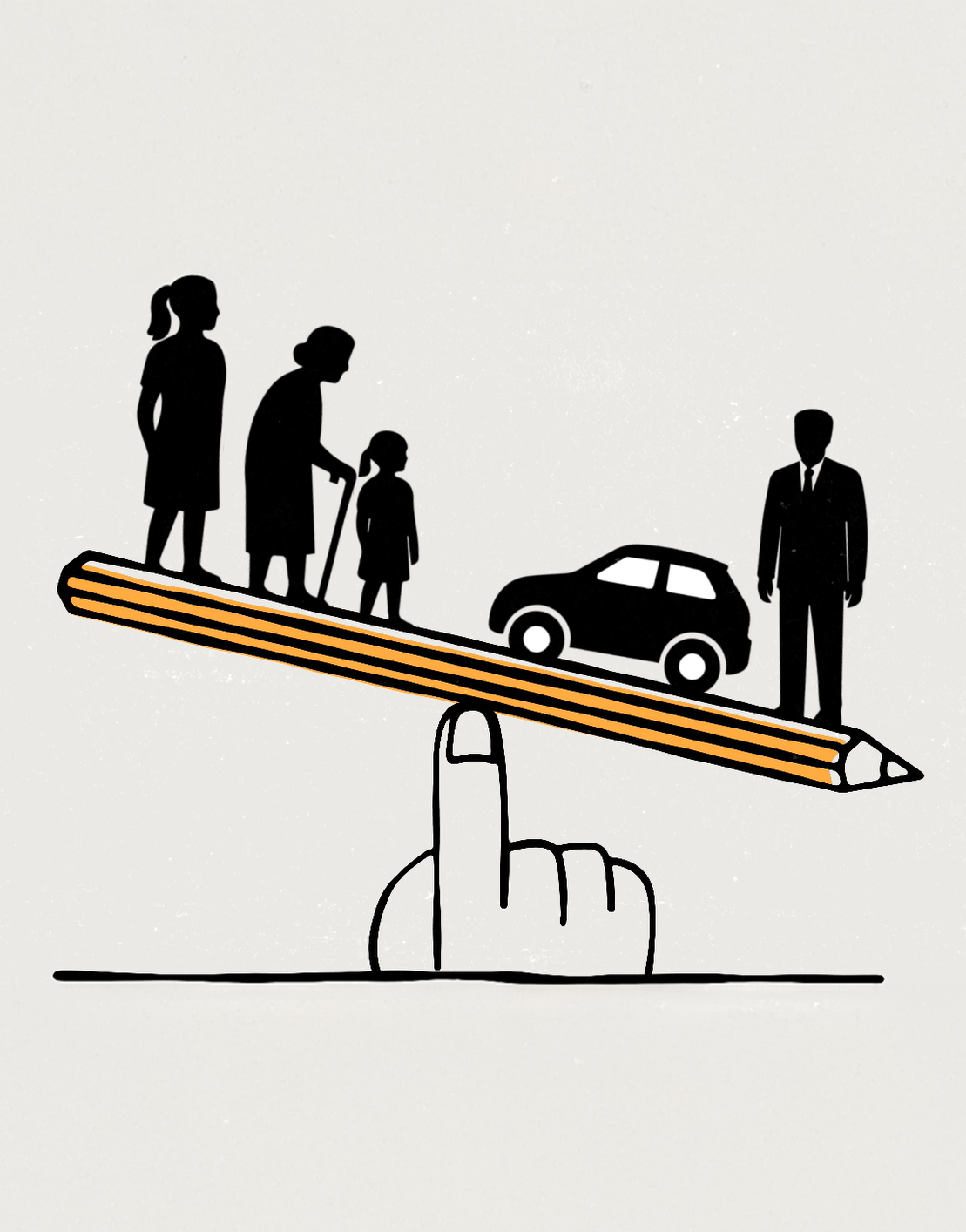
We recognize that knowledge is power. Football-centrism is not neutral: it encodes historical and cultural biases into everyday environments. True gender equity in public space begins with equal access, visibility, and participation.
Safe, inclusive spaces for girls are not just about play โ they are about social justice. Parks, playgrounds, and schoolyards shape childrenโs futures. By designing with the needs of teenage girls at the center, we lay the foundation for more equitable cities and societies.
We invite architects, planners, teachers, policymakers, NGOs, and communities to use this toolkit, share the evidence, and join us in re-shaping spaces where teenagers belong.